


Resistance bands set routines have transformed home strength training, offering an affordable and flexible alternative to traditional weights. Whether you want muscle growth, injury rehab, or a portable gym solution, understanding how to maximize a resistance bands set is more important than ever.
Key Takeaways
- Resistance bands provide muscle activation and strength gains similar to free weights, but are more cost-effective and joint-friendly.
- Common challenges include tracking progressive overload and potential resistance limitations for advanced lifters.
- Choosing quality materials and maintaining good form is crucial for safety and long-term performance.
- What Makes a Resistance Bands Set Unique?
- How to Use a Resistance Bands Set Effectively: Step-by-Step
- Pitfalls and Power: Advanced Analysis of Resistance Bands Sets
- Conclusion
- FAQ: Resistance Bands Set
What Makes a Resistance Bands Set Unique?
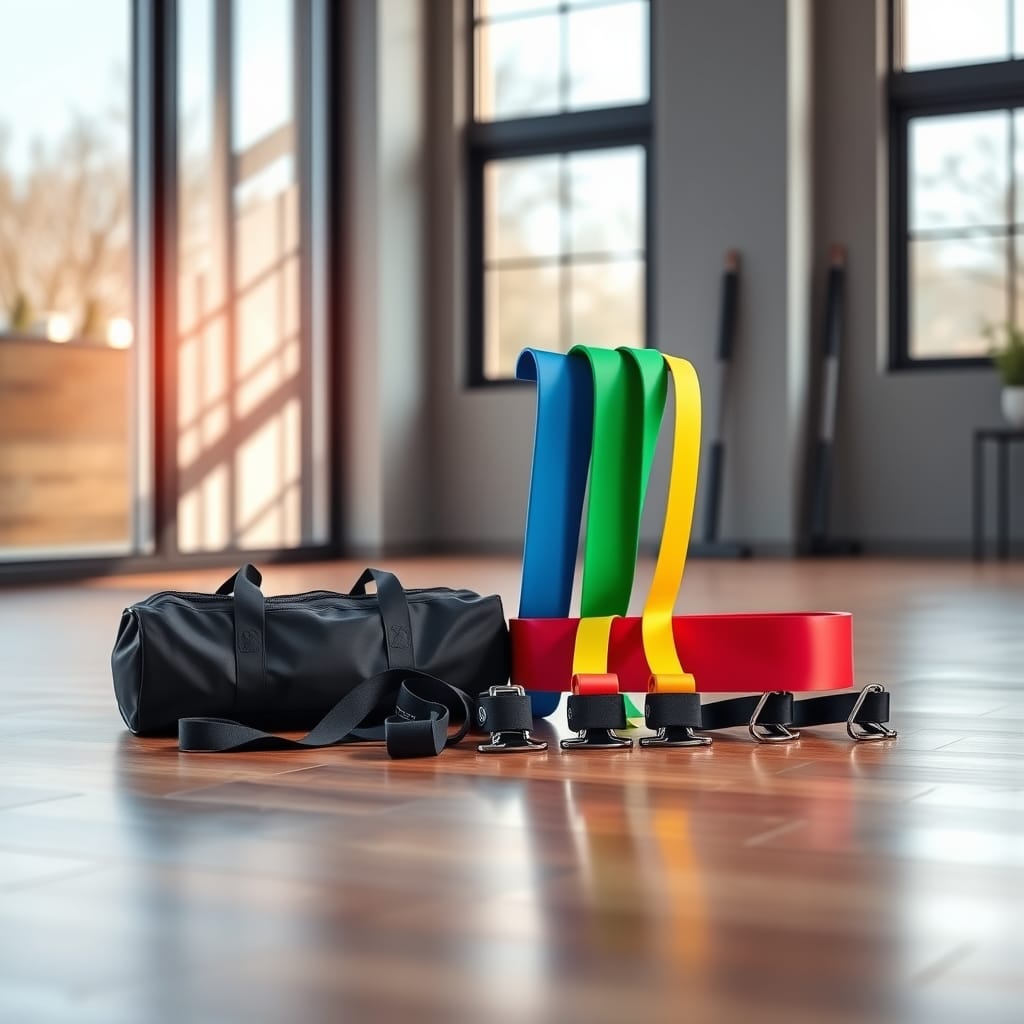
Resistance bands sets have gained serious momentum as home and gym essentials. Unlike free weights, these bands use variable resistance that increases as you stretch them, challenging your muscles throughout the movement’s full range of motion. This means you’ll experience more continuous tension, which can uniquely benefit muscle growth and joint stability. Bands support multiplanar functional exercises and can be used virtually anywhere—making them ideal for people with limited space or those traveling often.
Research supports that, for most people, properly used resistance bands can produce strength gains similar to conventional weight training. A major meta-analysis found no significant difference in upper or lower-body strength gains between elastic band resistance and free weights. They’re especially valuable for rehabilitation and for training stabilizer muscles, thanks to the continuous, unstable resistance they provide [source].
While bands are not a total replacement for all barbell or dumbbell applications (such as setting personal records in powerlifting), they are the practical choice for versatile, low-risk strength and mobility training.
If you’re serious about maximizing your home gym, consider pairing resistance bands sets with other smart solutions. Check out how a smart fitness mirror can level up your resistance band workouts with real-time feedback and guided sessions.
How to Use a Resistance Bands Set Effectively: Step-by-Step
Getting the most out of your resistance bands set involves more than just pulling on some latex. Follow these proven steps for safer, smarter, and stronger results:
- Select the Right Bands: Pick bands with resistance levels that match your strength and the exercise. Light bands are for warmups and rehab. Heavy duty bands should challenge you in 8–15 reps per set.
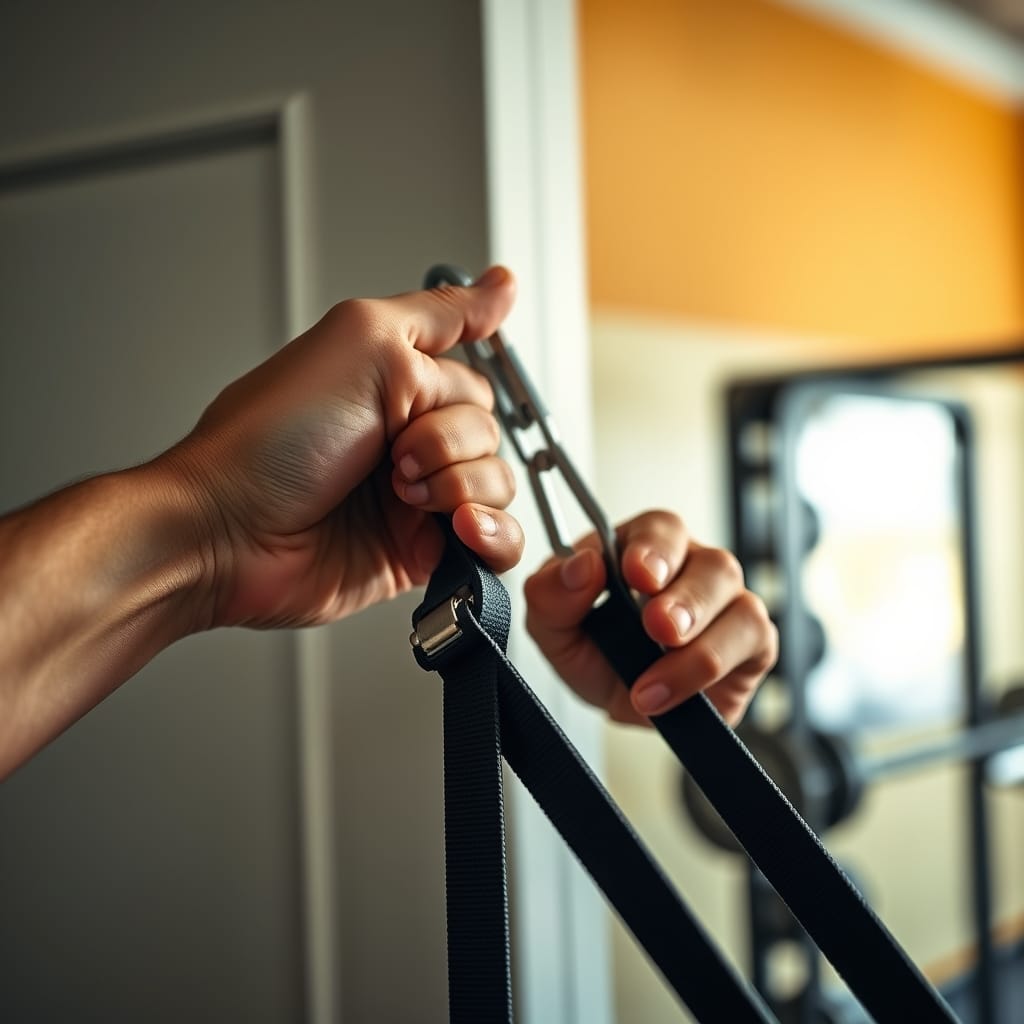
- Secure Anchor Points: Use a stable anchor—door, pole, sturdy furniture, or band-specific anchor. Double-check before starting each set.
- Master Basic Movements: Start with classic moves: banded squats, overhead presses, rows, curls, and chest presses. Control the full motion.
- Progressively Overload: Track reps, add thicker bands, or combine bands for added resistance as you get stronger.
- Implement Full-Body Circuits: Sequence upper, lower, and core band exercises without lengthy breaks for metabolic and strength benefits.
- Monitor Form and Tempo: Perform every rep slowly, especially when releasing the band, to maximize time under tension and avoid snap-back.
- Inspect for Wear: Before and after workouts, look for cracks or thinning in the bands to prevent mid-exercise failures.
Consistency is everything. Like any other strength tool, bands require a clear plan and steady progression. Want a deeper dive into total-body transformation? Explore full-body strength approaches with a functional trainer cable machine for a mix of cable and band benefits.
Pitfalls and Power: Advanced Analysis of Resistance Bands Sets
Resistance bands are flexible, but they aren’t flawless. Here is what you really need to know before banking your gains on any resistance bands set:
- Progression Difficulties: Bands lack the precision of free weights for progressive overload. Tracking exact resistance is hard, especially when combining bands or accounting for stretch length. Some lifters plateau unless they invest in ultra-heavy bands or advanced accessories.
- Limited Maximum Resistance: Even top-grade heavy duty bands may cap out at 150–200 lbs, which might not suffice for elite powerlifters or maximal lifts. As resistance increases, safety concerns with potential snap-back also climb.
- Material Durability: Cheaper bands can degrade rapidly—exposure to sunlight, abrasion, or over-stretching can cause cracks or sudden failures. Select latex, fabric-reinforced, or layered bands with solid durability ratings. Inspect bands every month and retire any with wear signs.
- Safety: Bands generally promote safer, joint-friendly exercise compared to free weights, but failure under maximal stretch (especially over 100 lbs) can result in abrupt recoil injuries—particularly if anchoring is poor. However, there is little quantitative failure data in scientific literature as of 2026 [source].
- Stabilizer Activation Versus Prime Movers: Bands often shift emphasis toward secondary stabilizer groups (shoulders, core) rather than isolating large muscles as directly as free weights [source].
- Cost and Convenience: Bands are almost always cheaper and more portable than an equivalent set of dumbbells or barbells [source]. But dedicated strength athletes might eventually need to upgrade or supplement bands with more robust gym gear, such as an at-home power rack.
| Criteria | Resistance Bands Set | Free Weights |
|---|---|---|
| Muscle Activation | More stabilizer engagement; good for full ROM | Greater prime mover load; predictable load curve |
| Progressive Overload | Challenging to measure precisely | Easy to track and progress |
| Max Resistance | Often <200 lbs; specialized bands may go higher | Virtually unlimited (with equipment) |
| Injury Risk | Lower for joints, but variable with poor anchoring | Higher if form is incorrect or excessive load used |
| Portability | High (fits in a bag) | Low (bulky, heavy) |
| Cost | Low (typically $25-$70 for a full set) | High (can easily exceed $300 for equivalent) |
Elite or power-oriented lifters may still prefer barbells, adjustable dumbbells, or cable machines for maximum performance. But for most users and a wide range of goals, resistance bands sets deliver comparable results, especially with consistent use and good technique. For advanced home athletes, a hybrid approach—and reviewing killer gear setups like adjustable dumbbells—can ensure ongoing gains.

If you need even more recovery or mobility support, check out our strategies for using a percussion massage gun post-exercise.
Conclusion
Resistance bands sets are powerful, joint-friendly, and incredibly accessible for all fitness levels. While not perfect, they rival traditional weights for strength gains and are essential for space-saving, versatile training. Prioritize form, inspect your bands regularly, and mix in progressive overload strategies. Ready to upgrade your fitness? Start training smarter—your resistance bands set has more untapped power than you think.
Curious what other small-space, high-impact home gym upgrades you can make? Explore our guide to the best under-desk treadmills for an extra productivity and cardio boost.
FAQ: Resistance Bands Set
Are resistance bands sets effective for building muscle compared to free weights?
Yes, when used consistently and with proper resistance, resistance bands sets can produce muscle gains comparable to free weights for most people. Several studies show similar strength improvements, though maximal strength athletes might still prefer weights for top-end load capacity.
How do I prevent my resistance bands from snapping or wearing out?
Inspect bands for thinning, cracks, or fading before every workout. Avoid excessive stretching, keep them away from direct sunlight, and follow the manufacturer’s resistance guidelines. Retire any band showing clear damage.
Can I combine resistance bands with free weights for better results?
Absolutely! Combining bands with dumbbells or barbells can create unique resistance curves and help break plateaus. This hybrid method increases time under tension and muscle activation across a full range of motion.
Do resistance bands sets work for advanced lifters?
They can, especially for mobility work, accessory lifts, and targeting stabilizer muscles. For pure maximal strength (very heavy squats or deadlifts), elite athletes may still outgrow the heaviest bands.
Is it safe to use resistance bands every day?
Yes, with good form and varied exercises, daily use is generally safe. Rest if you feel joint pain or notice fatigue building. Always listen to your body and mix in recovery days as needed.