


Functional trainer cable machine workouts are surging in popularity for anyone who wants maximum versatility in a home gym without sacrificing precious space or quality. If you’re seeking a full-body-strength solution that evolves with your training, understanding the real-world pros, cons, and strategies for these machines is crucial before you invest.
Key Takeaways
- The functional trainer cable machine market is booming, fitting the demand for home gyms that save space while delivering full-body workouts.
- Durability and assembly can be challenging, so realistic expectations around purchase and setup are essential.
- Investing in a functional cable trainer at home puts you in control—smart machine features and high adjustability are now increasingly available.
- The Core Concept: What and Why
- Step-by-Step Guide: How to Use a Functional Trainer Cable Machine
- Advanced Analysis & Common Pitfalls
- Conclusion
- FAQ
The Core Concept: What and Why
A functional trainer cable machine is a compact yet powerful piece of home gym equipment designed to support hundreds of exercises by utilizing movable pulleys and adjustable weight stacks. Unlike bulky single-use machines, modern functional trainers allow you to perform pulling, pushing, rotational, and lifting movements for every muscle group—delivering a near-commercial gym experience in your garage or spare room.
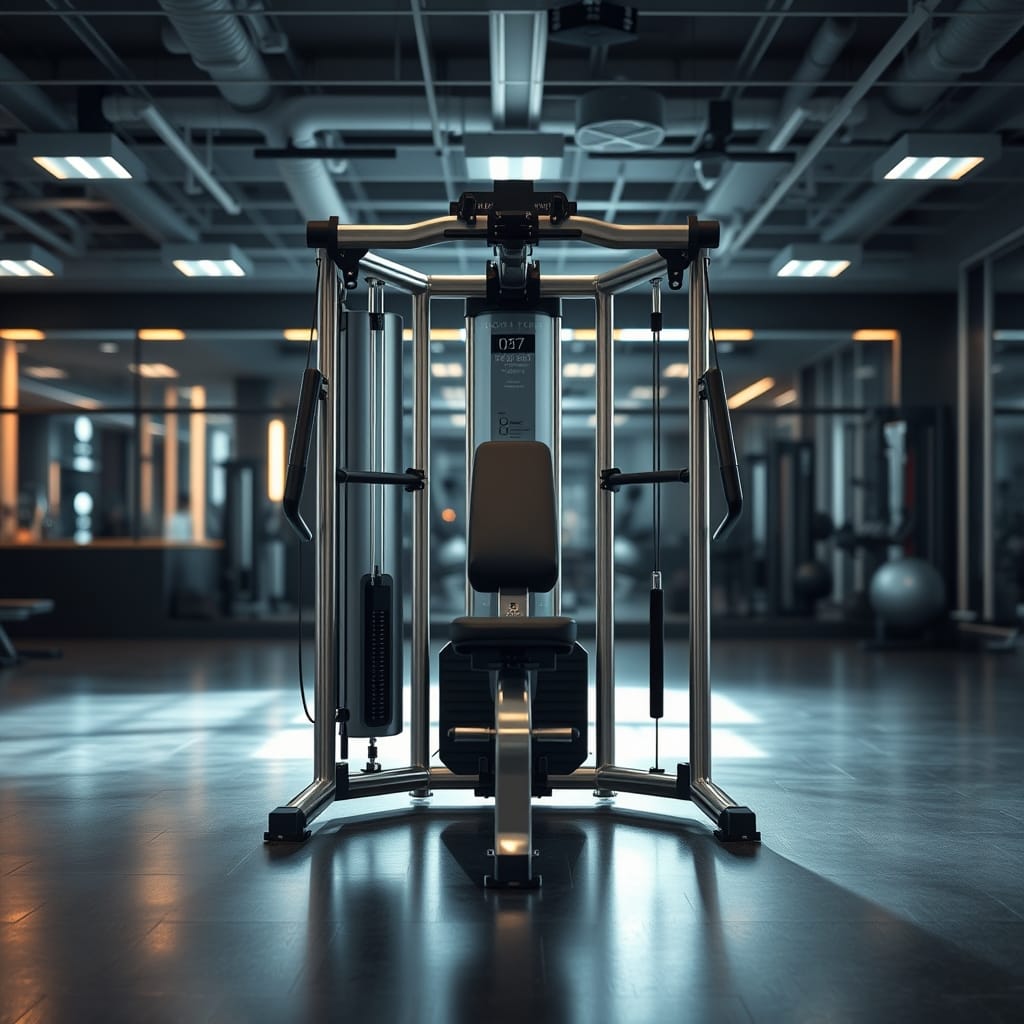
Why does this matter? Recent data shows that demand for at-home multifunctional gym equipment has skyrocketed: in 2024, the cable crossover and functional trainer market was valued at USD 150 million, projected to leap to 250 million by 2033.
Driven by compact designs and ease of use, these machines are especially popular among busy users who want integrated strength, rehabilitation, and functional training.
Advances in connected technology further improve the functional training experience through app integration, built-in progress trackers, and adjustable resistance suited for all fitness levels.
Alongside smart fitness mirrors and adjustable dumbbells, cable machines have become core upgrades in the modern home gym technology boom.
Step-by-Step Guide: How to Use a Functional Trainer Cable Machine
Below is a practical, step-by-step framework for setting up, adjusting, and safely performing a full-body session with your cable trainer.
- Unboxing & Assembly
- Expect machines to arrive in multiple boxes—at a minimum, you’ll have the main frame, weight stacks, pulleys, cables, and individual hardware packs. Allocate 2-4 hours for assembly (some units may take longer if instructions aren’t clear).
- Lay out all parts, review instructions, and consider watching brand-specific assembly videos found on manufacturer sites or YouTube.
- Use power tools for bolts/fasteners where possible, but don’t overtighten—metal tubing can be damaged if forced.
- Placement for Safety and Versatility
- Choose a hard, level surface (garage, home gym flooring, or solid carpet). Avoid hardwood or thin laminate if possible, as the unit is heavy and can dent softer materials.
- Keep at least 18 inches of clearance on all sides to allow free cable movement and attachment swaps.
- Secure to a wall if the model requires it—this increases pull stability for heavy users.
- Adjusting for Exercise Variety
- Most machines feature dual adjustable pulleys. Move each arm independently to set height and travel distance based on the exercise (e.g., low for curls, mid for rows, high for triceps or cable crossovers).
- Experiment with included grip attachments: long handles, short handles, ankle straps, or bars.
- Adjust weight stacks or digital resistance with a selector pin or touchscreen, depending on your machine type.
- Programming Your First Full-Body Workout
- Start with warm-up moves: chest press, single-arm row, squat-to-press, and woodchops. Aim for higher reps and lighter resistance initially.
- Progress to pushing and pulling in all planes: overhead press, biceps curl, triceps extension, hip abduction.
- Finish with core movements: Pallof press, cable crunch, standing anti-rotation holds.
- Perform 2–4 sets of 8–15 reps per movement, adjusting resistance as needed.
- Maintenance and Upkeep
- Wipe down cables and pulleys regularly and inspect for fraying cables (replace damaged cables ASAP).
- Lubricate moving steel rods and check frame bolt tightness quarterly.
- Keep documentation handy for troubleshooting, and register your unit for warranty coverage as soon as possible.

For even more versatility, combine your cable trainer routines with adjustable dumbbells or incorporate a squat rack for barbell lifts—this hybrid approach is especially effective for strength and hypertrophy, and makes the most of any limited home gym environment.
Connected models also pair well with a virtual personal trainer so you can follow guided cable workouts in real time.
Advanced Analysis & Common Pitfalls
Market data clearly shows functional trainer cable machines are now a staple of the modern home gym, but the real-world experience isn’t flawless. Knowing where issues crop up can save you frustration and extra expense.
- Assembly Challenges: Most home-use cable machines are shipped flat-packed with generic instructions. This leads to confusion, especially for novices. Some users report missing bolts or required purchases of stabilizing hardware not included in the box.
- Durability Concerns: While major brands invest in strong welded steel and smooth pulleys, budget models may develop fraying cables, uneven resistance, or pulleys that squeak under moderate-to-heavy loads. Inspect before every use.
- Usability Issues: For very compact models, maximum cable travel may be limited, which restricts the range of motion for some exercises and can make natural-feeling, full-stretch movements difficult.
- Cost Transparency: As of 2026, there’s still a lack of clear data on total ownership cost (purchase plus shipping, installation, and annual maintenance). Expect to budget at least several hundred, up to several thousand dollars, for a high-quality unit.
| Feature | Home Functional Trainers (Typical) | Commercial Gym Units |
|---|---|---|
| Resistance | Varies (100–220 lbs per side; digital resistance emerging) | 300+ lbs per side, magnetic/selectorized |
| Cable Travel Distance | Usually 50–75 inches | 75+ inches |
| Adjustability | 12–22 height positions per pulley, independent arms | Multiple, usually higher and smoother adjustment |
| Dimensions | Width: 48–72″, Height: 82–90″, Depth: 32–45″ | Bigger footprint, higher ceilings required |
| Installation | 2–4 hrs, self-assembly, sometimes wall anchors needed | Professional installation required |
| Cool Features | Compact storage, removable bench, mobile app integration (in high-end) | Multi-user, advanced tracking, smart coaching |
If you prioritize stability, check compatibility with your intended add-ons (like bench attachments or barbell supports)—some brands are more modular than others. Also, plan for future cable or bearing replacements, as that’s often the first maintenance cost you’ll face after 12–24 months of regular use.
For a detailed look at related equipment that pairs well with cable trainers, explore our insights on maximizing dumbbell strength and interactive fitness mirror setups.
For further product and industry statistics, see Cognitive Market Research and NT Sporting.

Conclusion
Functional trainer cable machines pack extraordinary exercise value into surprisingly small packages, making them ideal for anyone who wants a complete strength and movement toolbox at home.
While initial assembly and fine-tuning do require patience, today’s best models offer durable steel frames, a wide variety of grip and exercise options, and even smart connectivity to match your evolving fitness journey.
Before you buy, carefully measure your space, assess your own install skills, and budget for necessary accessories or periodic maintenance. If you want to get started—compare specs or pair your new machine with a dumbbell set for maximal strength progress. Embrace the convenience and efficiency of the functional trainer cable machine for truly transformative home workouts.
Ready to build the home gym you deserve? Explore trusted guides on space-saving racks and smart fitness mirrors to complement your new machine, and take charge of your results today.
FAQ
What are the main benefits of a functional trainer cable machine for home gyms?
It enables you to perform a wide variety of full-body exercises in a single station.
You save space, avoid multiple bulky machines, and can switch easily between movements for strength, flexibility, and rehab purposes.
Can functional cable trainers fit in small apartments?
Most models are compact enough for apartments or tight spaces. Look for wall-mountable or standalone units with a smaller footprint and measure your available space before ordering.
How hard is it to assemble a home cable machine?
Expect a moderately challenging process—plan on 2 to 4 hours depending on the model and your DIY skill. Careful following of the instructions and possibly an extra set of hands will make assembly smoother.
Are cable machine workouts suitable for beginners?
Yes. The resistance can be dialed down low, and the guided cable path makes learning correct movement patterns safer and more effective for all experience levels.
How does the total cost compare to a commercial gym membership?
Total cost may be higher upfront but pays off long-term.
Factor in purchase, shipping, any installation, and annual maintenance. Over several years, home ownership is usually cheaper than ongoing monthly gym fees if you use the equipment regularly.