


Smart basketball devices are reshaping training by adding sensor driven feedback to every shot and touch.
Key Takeaways
- Smart basketballs give immediate shooting metrics but public accuracy and technical specs remain sparse.
- Choose a unit by the quality of app analytics, battery life, and openness of data export for coaching use.
- Combine sensor data with simple video capture to validate readings and speed up coach adoption.
The Core Concept
Smart basketballs embed motion sensors and wireless transmitters so players and coaches get measurable data on shots, dribbles, and sometimes rotation. The primary goal is to turn repetition into measurable progress.

Why this matters now. Market projections show strong growth in smart sports gear. Estimates vary but one forecast values the market at about 85 million US dollars in 2024 and projects rapid growth into the next decade. Other market reports show alternate projections with similar growth expectations for North America and East Asia. These gaps mean buyers and teams must evaluate products on features and proven outcomes rather than on hype alone. See market summaries from third party reports for context here, here, and here.
Step by Step Guide
This section shows how to pick a smart basketball, set it up, use it in practice, and verify results with simple tools.
Step 1 Select by use case
Casual player Choose a lower cost model that focuses on core shooting metrics and has an enjoyable app. Individual development Look for units with per shot breakdowns and session history. Team and coach Look for multi player accounts, coach dashboards, and data export or API access.
Cross reference product features with other smart home fitness tech for ecosystem benefits. For example if you use a connected mirror or other smart home gym items review integration options with devices such as Smart Fitness Mirror: 7 Amazing Ways To Improve Fitness (Proven Guide).
Step 2 Check technical fit
Request or find the device specifications before purchase. Important specs are sensor types like inertial measurement unit, sampling rate, wireless protocol, battery capacity, and durability rating. If specs are missing from the vendor page ask customer support for a tech sheet.
Note There are no widely published comparison tables for 2026 models so your own checklist matters more than marketing claims.
Step 3 Set up and baseline validation
Charge the ball fully and update firmware. Do a baseline session with five stationary shots from the same spot. Record the session to video from a fixed viewpoint. Compare made or missed calls and basic metrics like shot release timing.
Keep a small notebook or spreadsheet that logs conditions for every validation run. That makes later troubleshooting faster.
Step 4 Integrate into training
Create drills that match metrics you want to improve. Example drill One minute spot shooting where you track release angle consistency. Use the app data after each rep to set a micro goal for the next set.
For coaches use a group drill flow where players rotate through stations and data gets exported for weekly review. If the product supports multi player leaderboards test the leaderboard latency and tie breaking rules before competition use.
Step 5 Maintain and troubleshoot
Run a weekly battery and connectivity check. Replace batteries or recharge on a schedule. If readings drift perform a factory reset and repeat the five shot baseline. For durability keep a separate practice ball for contact drills that stress seams and surfaces.
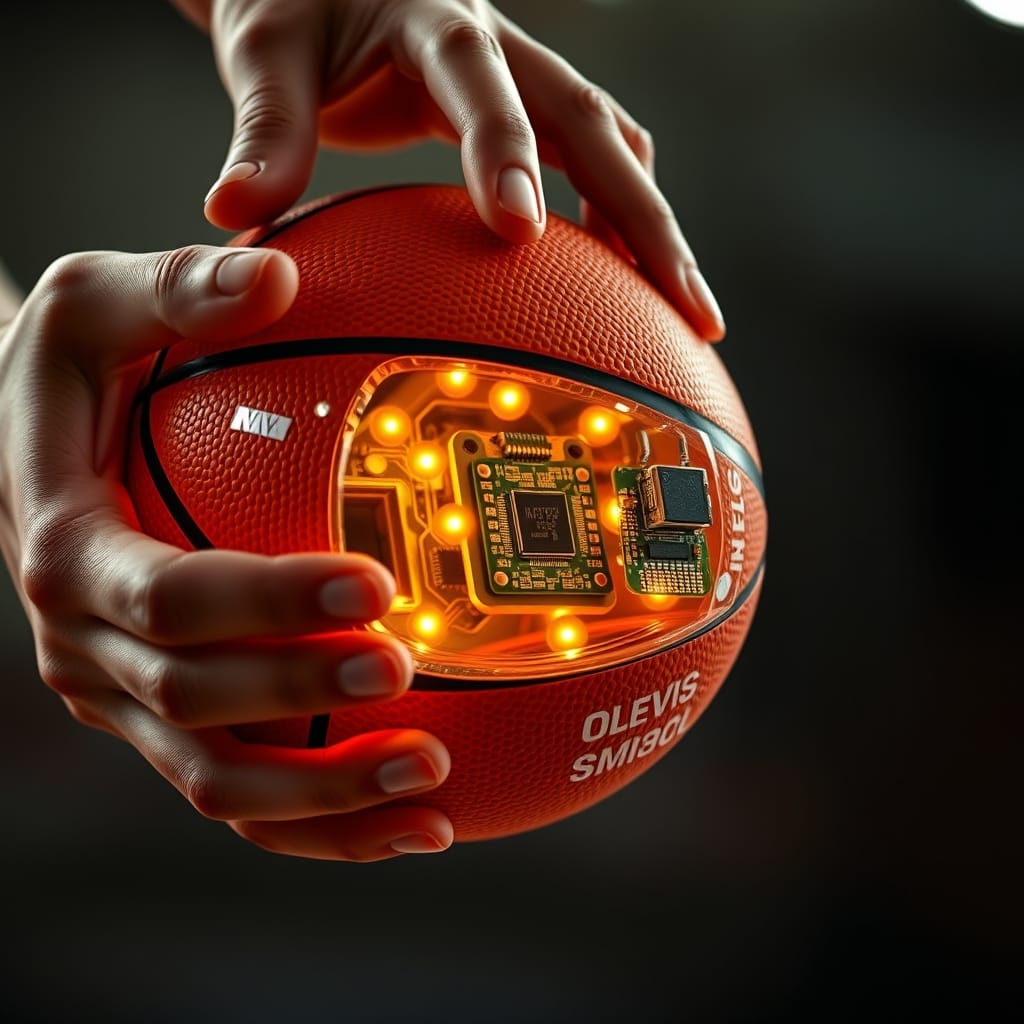
When you buy evaluate the total cost of ownership. Replaceable parts like valve caps and outer covers are common costs. If a model lacks modular repair parts prefer a warranty that covers normal practice wear.
Also consider training time ROI. If a device helps reduce coaching time for a given skill by measurable amounts it becomes cost effective even if the upfront price is high. For general training equipment advice see the adjustable dumbbells and power rack buying guides for cross training context available at Adjustable Dumbbells: 7 Amazing Ways To Maximize Strength (Proven Guide) and Home Gym Power Rack: 7 Best Ways To Maximize Space And Build Strength (Proven Guide).
Advanced Analysis and Common Pitfalls
Here are the realistic issues you will face and practical ways to manage them based on available research and market reports.
- Limited public accuracy data Vendors rarely publish independent validation against high speed cameras or motion capture. Expect some measurement error and plan to cross check.
- Incomplete specifications Many product pages omit sensor sampling rates and latency numbers which are important for fast events.
- Durability concerns Practice use accelerates wear. Warranty and easy to replace outer skins matter.
- Battery and connectivity Users report battery life as a limiting factor in many sports tech categories. Plan for spare charging cycles and a protocol for mid practice swapping.
- App reliance and UX If the app is unstable the hardware becomes harder to use. Test app stability on your phones before buying for a team.
- High upfront cost Cost limits adoption among recreational players. Evaluate team level budget and per player cost per year instead of unit price alone.
| Issue | What to watch for | Quick mitigation |
|---|---|---|
| Accuracy validation | Little independent lab data available | Run a short video validation and track divergence over 50 shots |
| Connectivity | Bluetooth dropouts in busy gyms | Use a dedicated phone and ensure other Bluetooth devices are off |
| Battery life | Undefined mAh and charge cycles | Schedule charging between sessions and test runtime weekly |
| Durability | Warranties vary and replacement parts may be limited | Buy teams extra outer covers or a spare ball for high contact drills |

Product selection guidance
- For casual players buy a model that focuses on motivation and simple stats.
- For individual improvement buy one with detailed per shot analytics and session history.
- For coaches buy a platform with team accounts, export features or API access. If vendor documentation does not list an API ask for a roadmap.
Note Market reports show different projections for market size and unit sales so use those numbers as context only. For more on the market outlook check these reports Future Data Stats, Data Insights Market, and Archive Market Research.
Conclusion
Smart basketball devices can accelerate skill development if you buy with a validation plan and coaching workflows in mind. Start with a short baseline validation, use paired video to confirm readings, and choose products that offer clear export options for coach analysis. Expect to do a bit of groundwork because public technical and accuracy data remains limited.
Ready to try one in practice? Start with a single unit, run the five shot baseline, and compare sensor results to a phone mounted video. If you want help designing a coach friendly session plan reply with your team size and available training time and we will send a tailored drill list that matches performance metrics. Use the focus tool to track improvement from the first session onward and always cross check metrics against video.
Final note The next time you evaluate smart basketball options bring a checklist that includes app stability, export features, warranty, and spare part availability before you commit to a team purchase.
FAQ Section
How accurate are smart basketball measurements?
Accuracy varies and vendors rarely publish independent lab comparisons. Do a short validation with a fixed camera and a five shot test to quantify error for your use case.
What should I test before buying one for a team?
Test app stability, battery runtime, firmware update process, how data is exported, and whether a coach account or multi player leaderboard is available.
Can a smart basketball replace traditional coaching?
No. It is a tool to make feedback measurable. Coaches still need to interpret data, prescribe drills, and correct mechanics in person.
Are there standard specifications to compare models?
There are not widely published standards. Ask vendors for sensor type, sampling rate, wireless protocol and latency, battery specs, and document warranty terms before purchase.
What is the best way to validate shot tracking claims?
Record a short validation session with a tripod mounted camera. Track made and missed calls and compare timing and arc estimates for fifty shots to establish device bias and variance.
Related reading and tools for cross training and equipment planning can help you design full programs. See guides on Adjustable Dumbbells: 7 Best Ways To Build Muscle (Proven Guide), Functional Trainer Cable Machine: 9 Best Ways To Build Full Body Strength (Proven Guide), and a recovery guide at Percussion Massage Gun: 7 Best Ways To Boost Muscle Recovery (Proven Guide) for supporting training assets.