



Home gym power rack setups have become a cornerstone for strength training at home, offering unmatched versatility, safety, and progress. Whether you’re building a new lifting space or upgrading on a tight budget, choosing and assembling a power rack can make or break your home gym experience. If you want to avoid wasted money and effort, get these essentials right from the start.
Key Takeaways
- Measuring your space, ceiling height, and rack footprint prevents costly mistakes and cramped setups.
- Most budget racks lack safety certifications, so verifying stability and material specs is crucial for safe use.
- Assembly challenges can be avoided by using proper tools, reading manuals closely, and planning the order of build steps.
- What Is a Home Gym Power Rack and Why Does It Matter?
- Step-by-Step Guide: Choosing, Placing, and Assembling Your Power Rack
- Advanced Analysis & Common Pitfalls
- Conclusion
- FAQ
What Is a Home Gym Power Rack and Why Does It Matter?
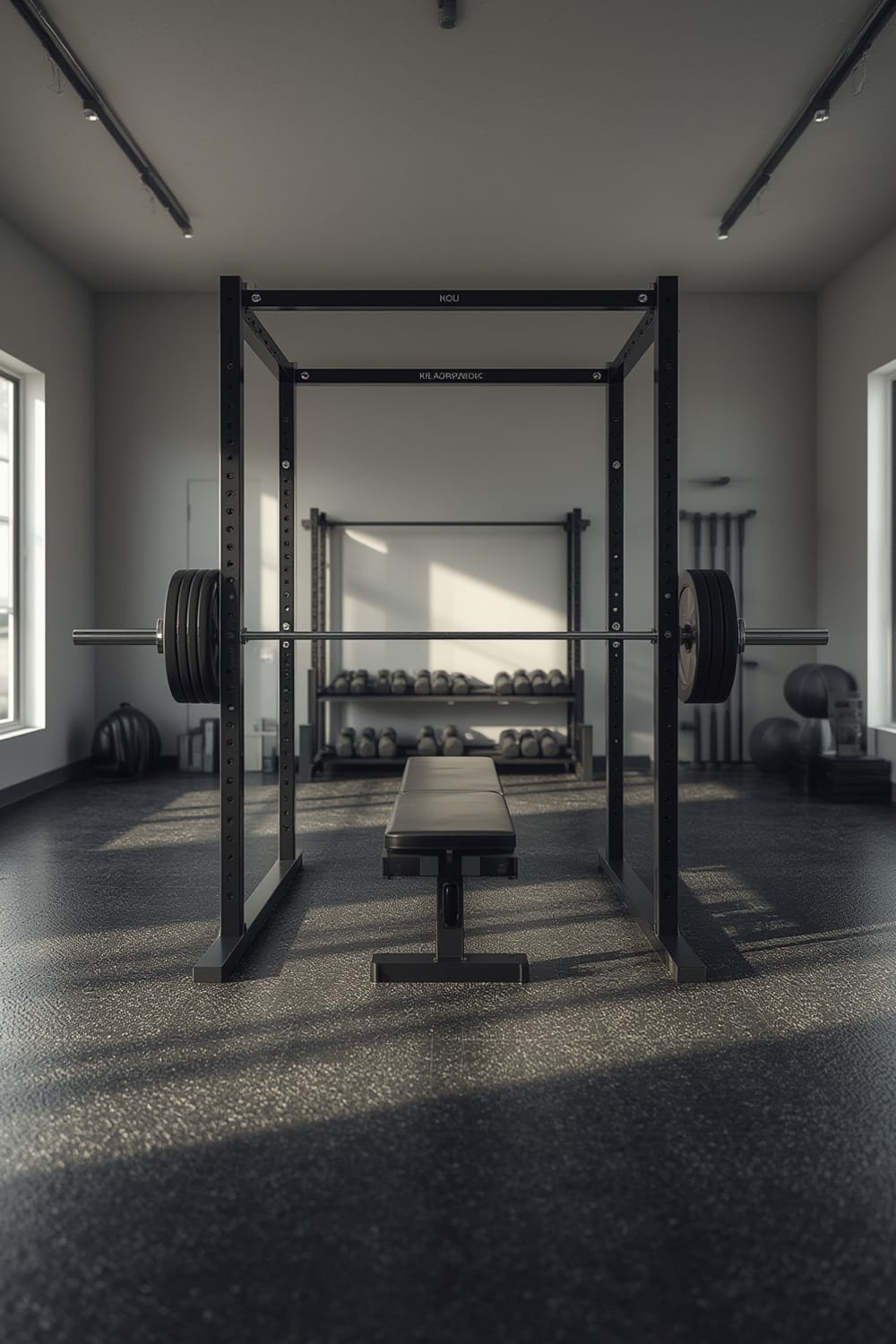
A home gym power rack is a steel frame engineered to safely support weightlifting movements like squats, bench press, and pull-ups. It forms the secure backbone for your resistance training by offering adjustable bar heights, safety bars, and attachment compatibility. The reasons for its popularity are simple: you can lift heavy without a spotter, your form improves under control, and you set up for nearly any serious lift at home. As brands like Rogue and REP have ramped up modular options at multiple price points, power racks have shifted from garage luxury to smart essential for committed lifters.
Step-by-Step Guide: Choosing, Placing, and Assembling Your Power Rack
- Assess Your Space Carefully: Use a tape measure to record length, width, ceiling height, and note the location of rafters, ductwork, and any slopes. Full racks are tall (often 84-92 inches). If your ceiling is lower, consider a “shorty” model or place the rack between rafters.
- Choose the Right Rack Model: For budget buyers, search for racks using 11- or 12-gauge steel with at least a 700+ lb capacity, numbered upright holes, and modular add-on support. Carefully compare internal and external footprints; some racks need an extra 12 inches front and back for plate loading and exercise clearance.
- Example: The REP PR4000 or Rogue RML-390F offer good value but differ in dimensions and expansion options. For further rack-specific details, check out this guide: Home Gym Power Rack: 7 Best Ways To Maximize Space And Build Strength (Proven Guide).
- Plan for Proper Flooring and Stability: Place the rack on rubber horse stall mats or specialty gym tiles. This protects your flooring and absorbs dropped weights. Ensure the surface is as level as possible.
- Delivery and Pre-Assembly Prep: Power racks ship in large, heavy boxes. Check dimensions before delivery to confirm they’ll fit through your entryway. Lay out all hardware, uprights, and cross members as soon as boxes arrive.
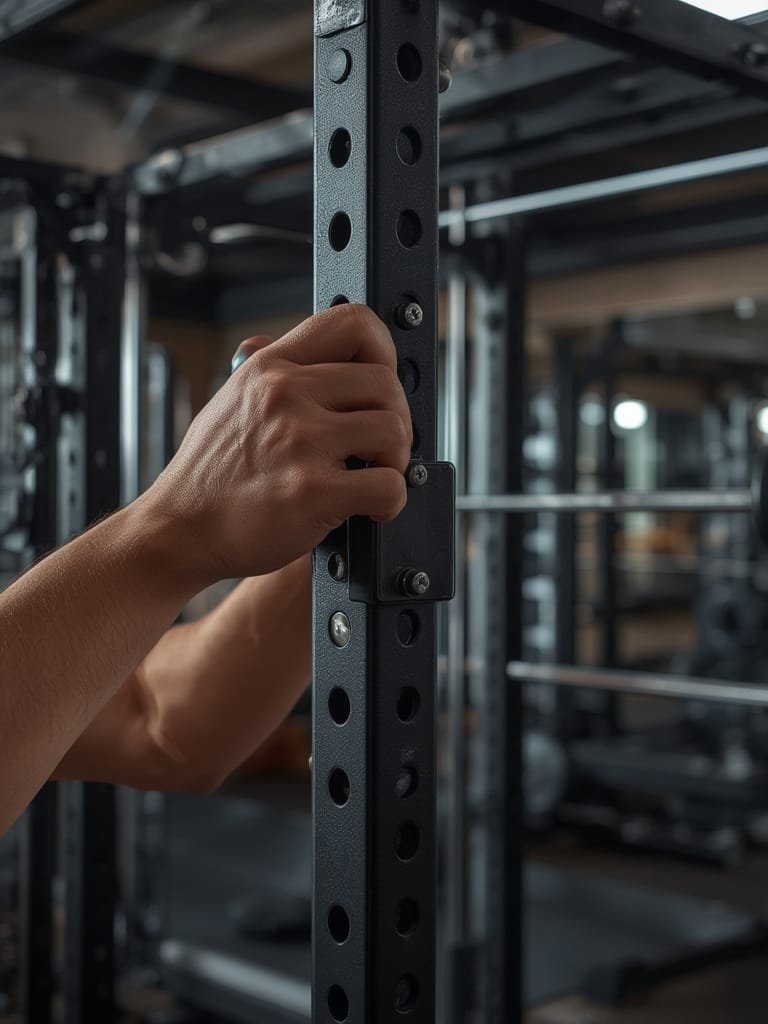
- Assembly: Follow the manual step by step. Use a proper socket set or drill, not just an adjustable wrench—this drastically reduces time and effort. Build the basic four upright posts and attach the base, then work from the back to the front to avoid tight corners.
- Final Checks and Add-ons: Tighten all bolts. Verify the rack is level—shim if needed. Attach safety arms and bar holders. Test the rack under light load before full use.
For more in-depth strategies on maximizing strength and space in your home gym setup, consider pairing your power rack with versatile equipment like adjustable dumbbells. This ensures your training options are never limited.
Advanced Analysis & Common Pitfalls
Even experienced lifters and DIYers run into issues when selecting and installing a home gym power rack. Here’s where most projects go off track, based on real user research and common experience:
- Underestimating Space Needs: Failing to measure both width and height leads to cramped racks, poor airflow, and unusable pull-up bars if ceiling clearance is neglected. (Source: Major Fitness Clearance Guide)
- Neglecting Floor and Platform: Many buyers overlook quality flooring, resulting in damaged slabs, unstable racks, or excess noise.
- Assembly Challenges: Using the wrong tools, skipping steps, or building in the wrong order is a top frustration. The use of a socket wrench or impact drill is recommended over an adjustable wrench for efficiency. (Source: Powerblock: Home Gym Mistakes)
- Misplaced Safety Expectations: Unlike commercial racks, most budget home models don’t list independent safety certifications (like ASTM or TUV approval), so buyers must rely on reputation, steel gauge, and user reviews for confidence. See this squat rack safety overview for practical advice.
- Poor Technical Spec Comparison: Few guides discuss the difference in steel gauge, true weight capacities, or longevity—details vital to long-term safety and satisfaction.
| Feature | Budget Rack (e.g., 11-12 Gauge) | Mid-Range/Premium Rack |
|---|---|---|
| Steel Gauge | 11-12 (thinner/standard) | 3×3″ 11-gauge (often thicker or higher tolerances) |
| Weight Capacity | 700-1000 lbs (often no tested claims) | 1000+ lbs (sometimes tested/certified) |
| Footprint | More compact, may require tighter assembly | Larger, more open, modular |
| Safety Certification | Rare to none | Occasionally listed |
| Warranty & Durability | Shorter, infrequently detailed | Longer, sometimes lifetime limited |
| Modularity | Limited attachment compatibility | Wide add-on ecosystem |
If you want to go deeper into rack design or compare with other performance athletic equipment, see our review on lightweight football shoes and cleats for lessons in material engineering and grip performance.

Conclusion
Choosing and assembling the right home gym power rack is less about chasing trends and more about understanding your space, safety needs, and lifting goals. Even on a strict budget, realistic planning and careful selection pay off in lasting performance and fewer frustrations. Always measure twice, prioritize structural and safety fundamentals, and don’t cut corners on flooring or hardware. With the right strategy, your home gym power rack will be the most valuable asset in your fitness journey—start strong and stay strong.
Ready to upgrade your setup for strength and skill? Explore our proven setups and best practices, and check out how to maximize versatility with these top adjustable dumbbell tips. Your next PR is waiting.
FAQ
How much space do I truly need for a home gym power rack?
Most full racks require at least 8 feet in height and a footprint of approximately 4 feet by 4 feet. Add 1-2 extra feet in every direction for safe movement and weight plate clearance.
Do budget power racks come with safety certifications or industry standards?
Very few budget models disclose certifications such as ASTM or TÜV. Instead, focus on steel gauge, weld quality, and verified customer reviews. Premium racks are sometimes tested to higher standards.
Can I build a power rack myself, and is it worth it?
Building your own rack is possible but rarely worth the potential risks. Manufactured racks undergo at least some quality control and use higher grade steel with better engineering.
What should I do if my power rack isn’t level or wobbles after assembly?
Place shims under uneven feet, confirm bolt tightness, and check that you assembled on a level surface. Rubber flooring helps but may require additional shimming for perfection.
What other equipment best complements a home gym power rack?
Adjustable dumbbells, a quality barbell, bumper plates, and premium grip athletic footwear make for a versatile setup. For optimized routines, read our adjustable dumbbell guide.