


Blog Post:
Home gym power rack setups have become the backbone of space-saving strength training in 2024, offering versatile workouts for budget-conscious buyers looking to maximize limited square footage and spending.
Key Takeaways
- The home gym power rack market is growing at 5.1% annually, primarily fueled by budget-minded buyers choosing compact, cost-effective racks online.
- Top features to seek in budget racks are 3×3-inch uprights with 1-inch holes and 30-inch internal depth for both safety and future upgrade compatibility.
- Costs can multiply from color customization and add-ons, while return policies and long-term durability of budget racks vary and are not always transparent from brands.
- What is a Home Gym Power Rack and Why It Matters
- How to Choose and Set Up a Budget Home Gym Power Rack: Step-by-Step Guide
- Advanced Analysis & Common Pitfalls with Budget Power Racks
- Conclusion: Making the Most of Your Home Gym Power Rack Investment
- Frequently Asked Questions
What is a Home Gym Power Rack and Why It Matters
A home gym power rack is a freestanding steel frame designed to support heavy barbell lifts like squats, bench presses, and deadlifts in a secure, versatile environment. In 2024, these racks are more popular among at-home fitness enthusiasts because gyms are crowded and home spaces are smaller. Budget buyers especially turn to half racks and compact options—both for affordability and to fit workout routines into multifamily apartment gyms or tight garages.

The spike in home gym equipment sales, documented by industry reports, is a direct response to demand for flexible, reliable strength setups at home. Modern racks offer modularity—meaning users can attach dip bars, cable systems, or landmines with bolt-on additions. With online shopping and social review platforms, buyers now compare brands like REP, Rogue, Titan, and PRx on features, price, and fit for their unique space constraints and training routines. The right power rack turns your living area into a multipurpose gym, saving money long-term versus gym memberships and adding convenience for your fitness goals.
Curious about maximizing the results from your new rack? Check out these workout tips for strength training to make the most of your setup.
How to Choose and Set Up a Budget Home Gym Power Rack: Step-by-Step Guide
Selecting, buying, and installing a home gym power rack doesn’t have to be daunting. Here’s a step-by-step walkthrough to ensure a safe, practical, and budget-friendly purchase, starting from measuring your space to accounting for hidden costs and potential upgrades.
- Measure Your Space, Then Measure Again. Allow clearance not just for the rack but for loading barbells sideways and moving around safely. Most buyers need a zone at least 8ft deep and 6ft wide.
- Prioritize Essential Features: In current polls, 84% of buyers prefer 3×3-inch uprights with 1-inch holes for future accessory compatibility. Go for 30-inch internal depth over 24-inch—your range of motion will thank you (research).
- Set a Realistic All-In Budget: Cheapest home racks (frame only) can start under $400 but expect costs to rise with colors, attachments (spotter arms, J-cups), shipping, taxes, and anchoring kits. Many pay a 10–30% premium for red or black, and 58% invest extra in efficient hole attachments.
- Choose Your Retailer and Check Reviews: Stick with well-reviewed sellers. Online retailers like REP and Rogue are leaders, but always read updated user reviews for issues like poor packaging, misaligned holes, or hard-to-follow assembly guides. Avoid impulse buys based on sales hype.
- Inspect Your Delivered Rack Before Assembly: Open all boxes and lay out hardware/parts before building. Photograph any defects immediately for warranty claims. Assembly is usually straightforward but sometimes requires specific tools (like socket wrenches); check the manual ahead of time.
- Test Stability Before Loading Heavy: Before racking heavy weights, test the unit’s stability with moderate lifts and check for wobble. Secure to the floor if possible, or use sandbags/weight storage for extra ballast.
- Think Long Term: Warranty periods may be unclear on budget racks. Save your purchase receipts and photograph the fully assembled rack as evidence for possible warranty issues later.

Avoid brands that skip return policies or make warranty terms hard to find. Quality racks are an investment—do your homework, and don’t hesitate to reach out to customer support before purchase if information is lacking.
Want to broaden your gym setup efficiently? Review our guide on adjustable dumbbells for maximizing strength at home—another essential for space-conscious athletes.
Advanced Analysis & Common Pitfalls with Budget Power Racks
Budget power racks have fueled the $1.2 billion surge in global sales, but saving money shouldn’t mean sacrificing safety or frustration-free training. Here’s what top-ranking competitor guides forget to mention, and what actual buyers face:
Pitfalls Reported by Real Users
- Hidden Add-on Costs: Budget racks often require paid upgrades for safety arms, pull-up bars, or plate storage horns. Brands charge more for color choices and even certain attachment-compatible hole patterns.
- Stability Complaints (Wobble): Lighter racks, especially half cages, can wobble if not anchored or loaded with plate storage. Some users experience rack movement under heavy squats—dangerous for solo lifters.
- Inconsistent Weld and Hardware Quality: Cheaper racks may show poor welding, misaligned bolt holes, or weak hardware that can compromise integrity over time, especially if loaded near capacity.
- Unclear Warranty and Return Terms: Few brands make warranty periods evident. Return shipping can cost up to 20% of the purchase price if not arranged up front. Always check these policies—most brands don’t highlight them.
- Missing Accessories: Attachments and safety features promoted in photos are sometimes not included—read listings thoroughly and ask if unclear.
Budget vs. Commercial-Grade Racks: A Real-World Comparison
| Feature | Budget Home Gym Power Rack | Commercial Gym Power Rack |
|---|---|---|
| Steel Gauge | Usually 11–14 gauge (thinner) | Up to 7–9 gauge (thicker, stronger) |
| Upright Dimensions | 3×3 in. steel popular (2024 poll: 84% preference) | 3×3 or 3×4 in., heavy-duty |
| Weight Capacity | 700–1,000 lbs typical (estimated, not always advertised) | 1,500–2,000+ lbs rated and tested |
| Warranty | 1–5 years (varies & often unclear) | Lifetime, clearly stated |
| Cost | $400–$1100 (plus add-ons and shipping) | $1,500–$3,000+ (often includes commercial installation) |
| Return Policy | Rarely highlighted; return shipping can be costly | Very transparent, usually with scheduled pickup |
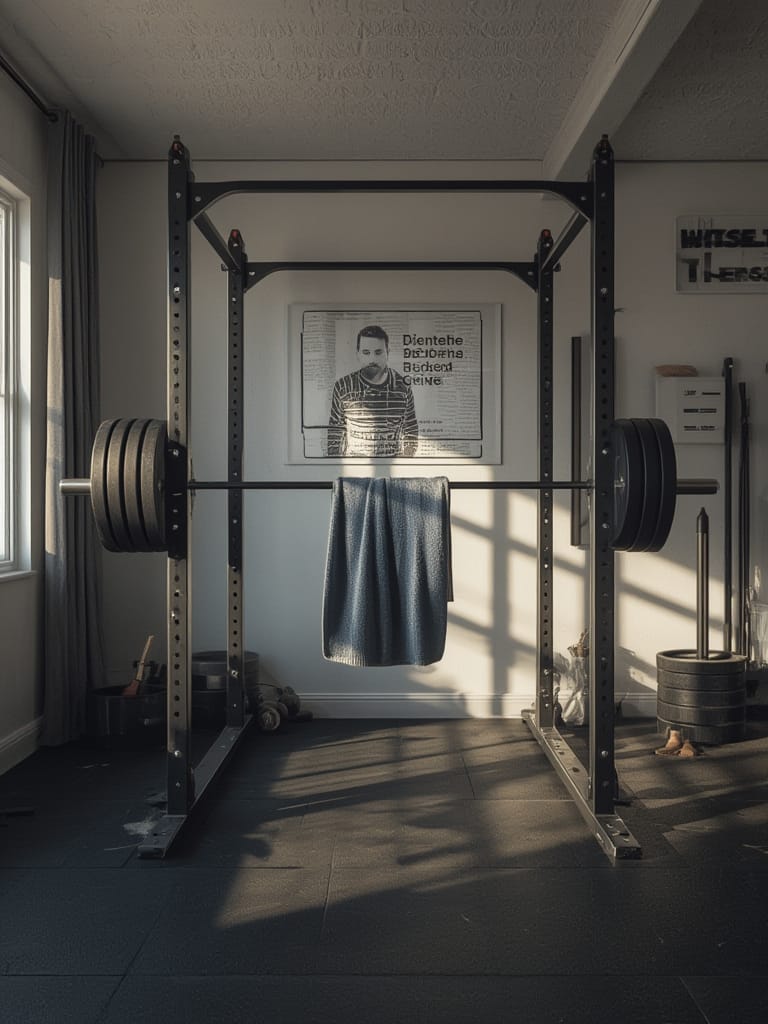
If you’re trying to maximize space and value, half racks are popular for homes—just understand that going too cheap introduces safety and longevity issues. For additional muscle-building strategies that complement power rack workouts, browse our guide to recovery and muscle growth in gym routines. Or if your fitness approach is cardio-focused, this endurance training routine may help round out your plan.
Conclusion: Making the Most of Your Home Gym Power Rack Investment
The right home gym power rack transforms even a small home gym into a true training hub. Prioritize safety features like 3×3-inch uprights with 1-inch holes, choose your add-ons wisely, and double-check policies for returns and warranties. Budget racks are not all created equal—it pays to research, review, and prepare well before clicking “buy.” If you want lasting gains and safety, invest as your budget allows and consider accessory compatibility for future upgrades. For sports nutrition tips that enhance strength training, see our athlete diet and supplement guide as a next step.
Ready to make the jump? Review your space with our actionable checklist above and upgrade your fitness with a home gym power rack that fits both your goals and your wallet. Start planning today.
Frequently Asked Questions
What size power rack is best for a small home gym?
Look for compact half racks or 30-inch depth full racks that fit in spaces as tight as 8ft x 6ft. Always confirm ceiling and barbell clearance before buying.
Are budget home gym power racks safe for heavy lifts?
Yes—if you buy a rack built with at least 11-gauge 3×3-inch steel and attach spotter arms or safety pins. Anchor your rack or load it with weight for added stability.
What extra costs should I expect beyond the base price?
Expect premiums for powder coating, efficient attachments (like spotter arms), shipping, and sometimes taxes or delivery/assembly fees. Review seller policies for detailed costs.
How do home gym racks compare to commercial gym racks in quality?
Commercial racks use thicker steel and are rated for much higher loads. Home racks are lighter and often have shorter warranties, but the best budget racks still handle most users’ training safely and effectively.
What brands are most popular for budget home gym power racks?
REP and Rogue lead in 2024 buyer preference polls due to their combination of cost-effectiveness and broad accessory compatibility.
—