


Football throwing trainer can be the fastest way to fix a bad spiral and build consistent accuracy when used correctly and safely.
Key Takeaways
- Choose a trainer that matches hand size and skill level and treat weight and grip as the primary fit criteria.
- Measure progress with simple metrics velocity spin and tightness not by feel alone using a basic test plan and cheap sensor tools.
- Follow a short weekly practice plan and supervision rules for kids to reduce risk and speed useful gains.
Table of Contents
The Core Concept
This section explains what a throwing trainer is and why it matters for development at every level from youth to advancing QB players.
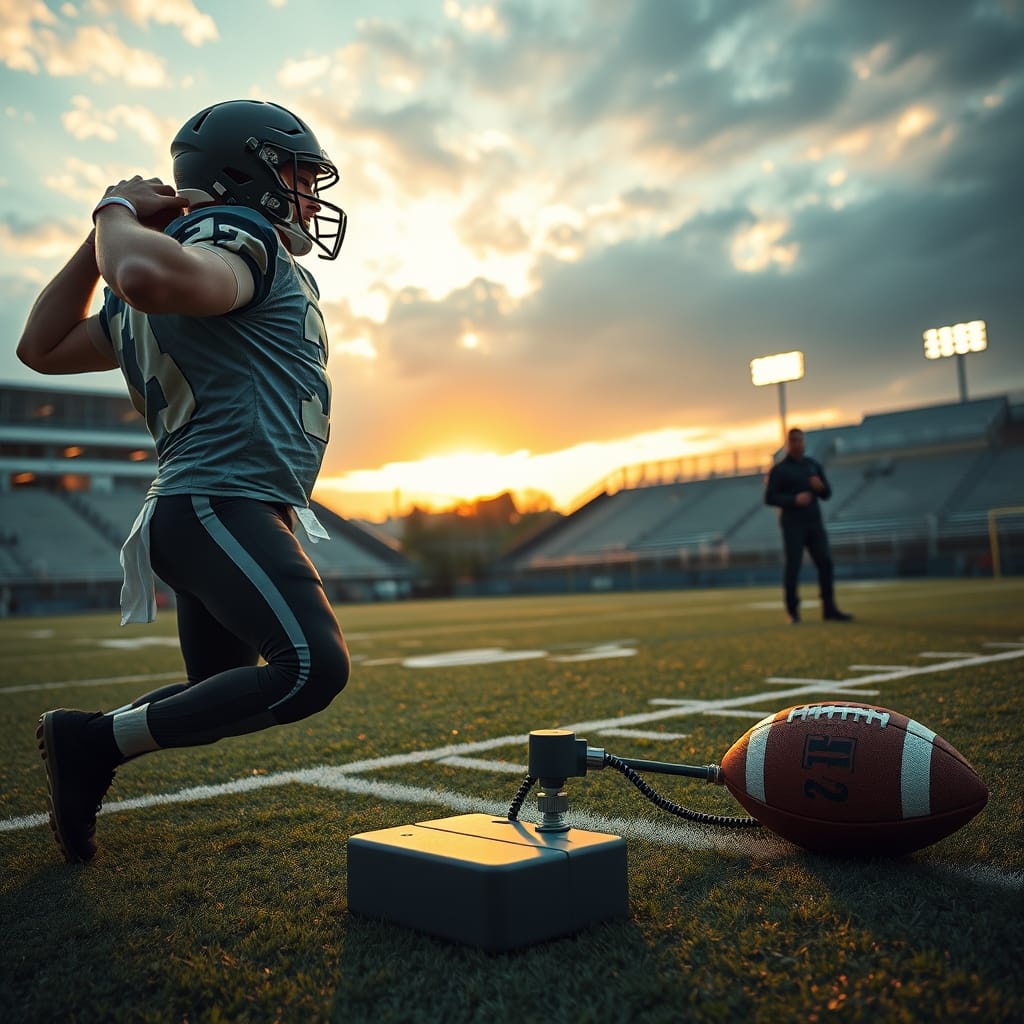
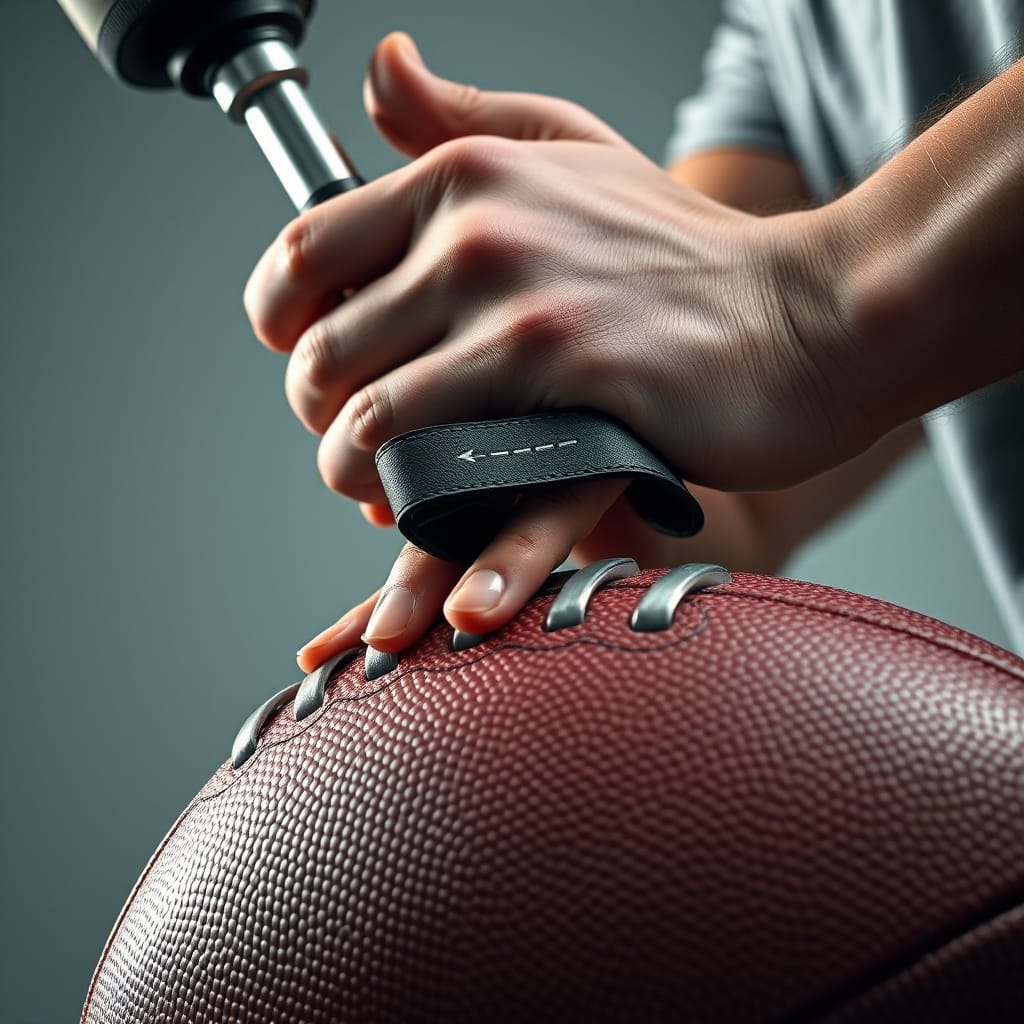
A football throwing trainer is a device designed to improve release mechanics grip and spin. Trainers fall into three clear categories grip aids that change surface feel weighted balls that change load and mechanical aids that guide arm path or simulate pass release. Each type targets a different element of the throw. Use the right type for the specific fault you want to fix.
Market context matters when picking a trainer. The global football throwing machine market showed measurable growth from 2022 to 2024 and was estimated at about USD 0.15 billion in 2024 according to market reports. For broader training market trends see reports that track the football sector and sports training growth for the period 2025 to 2026 from sources such as Market Report Analytics and industry summaries by market analysis firms. For example see Market Report Analytics for throwing machine estimates and broader football market outlook at Technavio and others. Use these overviews to set budget expectations for quality machines and training aids: football throwing machine market report football market industry analysis and sports training market growth summary.
When shopping also consider related product categories like training gloves and grip tools for receivers which complement throwing work. See our guide on Football Training Gloves: 7 Best Ways To Improve Your Catching Skills (Proven Guide) for pairing ideas. For dry land strength support and shoulder work check our guides on strength equipment such as Adjustable Dumbbells: 7 Best Ways to Maximize Strength (Proven Guide) and Home Gym Power Rack: 7 Best Ways To Maximize Space And Build Strength (Proven Guide).
Step by Step Guide
This guide shows how to select the right trainer set up sessions and measure improvement across 12 weeks.
-
Select the trainer type
Begin with grip trainers for kids and beginners. Move to light weighted balls and then to mechanical aids. For competitive QBs pick a trainer that mimics game ball feel and does not force an unnatural release.
-
Fit check
Confirm trainer circumference and seam placement match the player hand size. If a trainer feels too small the player will grip incorrectly and develop bad habits. If unsure choose a slightly larger model for youth players and scale down as hand strength improves.
-
Baseline testing
Run a simple baseline test. Use five warm up throws then record five test throws from a consistent distance. Measure velocity if you have a radar gun note visible spin tightness and record release angle. Keep the same lighting and camera angle for later comparison.
-
Practice plan weeks 1 to 4
Work on form and grip. Practice sessions of 20 to 30 minutes three times per week. Break sessions into warm up drills mechanics drills and controlled distance throws.
-
Progression weeks 5 to 8
Introduce weighted throws and quick release drills. Maintain 20 to 30 throws per session but add two overload throws at the end of each session for power adaptation.
-
Evaluation weeks 9 to 12
Re test with the baseline protocol. Compare revolutions per throw velocity and strike rate to measure real change. If spin improved by two to three revolutions consistently over five throws that is meaningful progress for youth players.
Supplement throwing with shoulder and core conditioning. For strength routines that fit a player schedule review our training equipment guides such as Adjustable Dumbbells: 7 Best Ways To Build Muscle (Proven Guide) and recovery tools like the percussion massage guide at Percussion Massage Gun: 7 Best Ways to Boost Muscle Recovery (Proven Guide).
Advanced Analysis and Common Pitfalls
Expect a mix of mechanical issues product fit problems and unrealistic expectations. This section uses market context and common sense to list the most frequent real world pitfalls and practical avoidance steps.
- Misfit equipment Players using the wrong circumference or grip shape will adapt poor habits. Check fit before practice.
- Overuse Too many heavy throws can stress developing joints. Limit weighted work to a few overload reps per session.
- Relying on tech alone Machines can teach motion but not decision making. Pair throwing drills with real passing situations.
- Poor measurement No measurement leads to wasted time. Use simple metrics velocity spin and target strike rate to track progress.
- Safety and supervision gaps Kids need adult supervision for weighted and mechanical aids and a gradual ramp in load.
| Trainer Category | Primary Benefit | Typical Weight Range | Recommended Age Range | Realistic Price Range |
|---|---|---|---|---|
| Grip trainer | Improves hand placement and seam control | Light none to 0.5 lb added | 6 to adult depending on size | Low tier 15 to 40 USD |
| Weighted ball | Builds arm strength and timing | 0.25 to 2 lb above standard ball | 10 to adult with supervision | Mid tier 30 to 80 USD |
| Mechanical aid | Guides arm path and release | Device dependent | 12 to adult often for advanced players | High tier 150 to 1000 plus USD |
Note that public market summaries show growth in throwing machines and a robust market for training gear and balls that make quality options available at many price points. For a broader look at football training market valuation and how training ball segments contribute see research firm summaries at Research and Markets and IMARC Group. These sources can help decide when to invest in higher end equipment: football market report IMARC football market.
Common measurement tools and methods
- Radar gun to measure velocity
- Smartphone slow motion video to count rotations and inspect spin axis
- Attachable sensor devices or apps to track release speed and spin when available
- Consistent sample sizes of five to ten throws per test to reduce noise
Practical safety steps for kids
- Always have an adult present during weighted or mechanical aid drills
- Limit weighted throws to two top end reps per session for younger athletes
- Keep total throwing volume appropriate for age and strength
- Check product instructions and manufacturer warnings before use
Conclusion
Pick a trainer that fits the player and the specific fault you need to fix. Use simple baseline tests monitor spin and velocity and follow a measured 12 week plan with supervision for kids. Combine tool work with live passing practice and strength support for best results.
For buyers searching for the best QB throwing training aid in 2026 practical criteria include fit price durability and verifiable measurement of improvement. Remember to pair the device with a training plan and supervision. If you want a structured plan start a three day per week program with clear metrics to track. If you are ready to act choose a trainer that matches hand size and begin the baseline test today.
Call to action Try one measured four week plan and log results. Compare data before you upgrade to a higher tier device.
FAQ
What is the best type of throwing trainer for a 10 year old?
For most ten year old players a grip trainer or a very light weighted ball matched to hand size is the safest starting point. Focus on mechanics and low volume. Avoid heavy overload work at this age and ensure adult supervision for every session.
How quickly will a player see improvement using a trainer?
With focused practice and consistent measurement many players see measurable change in spin or target strike rate within six to twelve weeks. Gains depend on starting skill practice quality and load management.
How do I measure spiral quality without expensive tools?
Use a smartphone slow motion setting to count revolutions across five throws and note consistency in the spin axis. Combine that with a basic radar gun or app to track velocity for a repeatable test.
Are there safety standards I should check?
There is no single universal standard for all football training aids. Check manufacturer warnings and age guidance and consider general sports product safety best practices. Limit weighted work for youth and always supervise mechanical devices.
How should I pair a trainer with strength work?
Pair throwing work with light shoulder and core strength routines two to three times per week. Start with bodyweight and light resistance then progress under a coach or trainer to avoid overuse.